Food and drink · Olive oil
The green-gold heart of Greek food. A traveller’s guide to olive oil on the Peloponnese: the harvest, what to look for on a label and how to taste like a local.
The short answer
The Peloponnese is one of Greece’s great olive regions. The Kalamata olive comes from Messinia in the south, and olive groves run down almost every coast and valley, including around Leonidio.
Olive oil here is not a luxury, it is the basis of cooking. It goes on bread, salads, greens, fish and sweets, and it is part of the daily rhythm of village life.
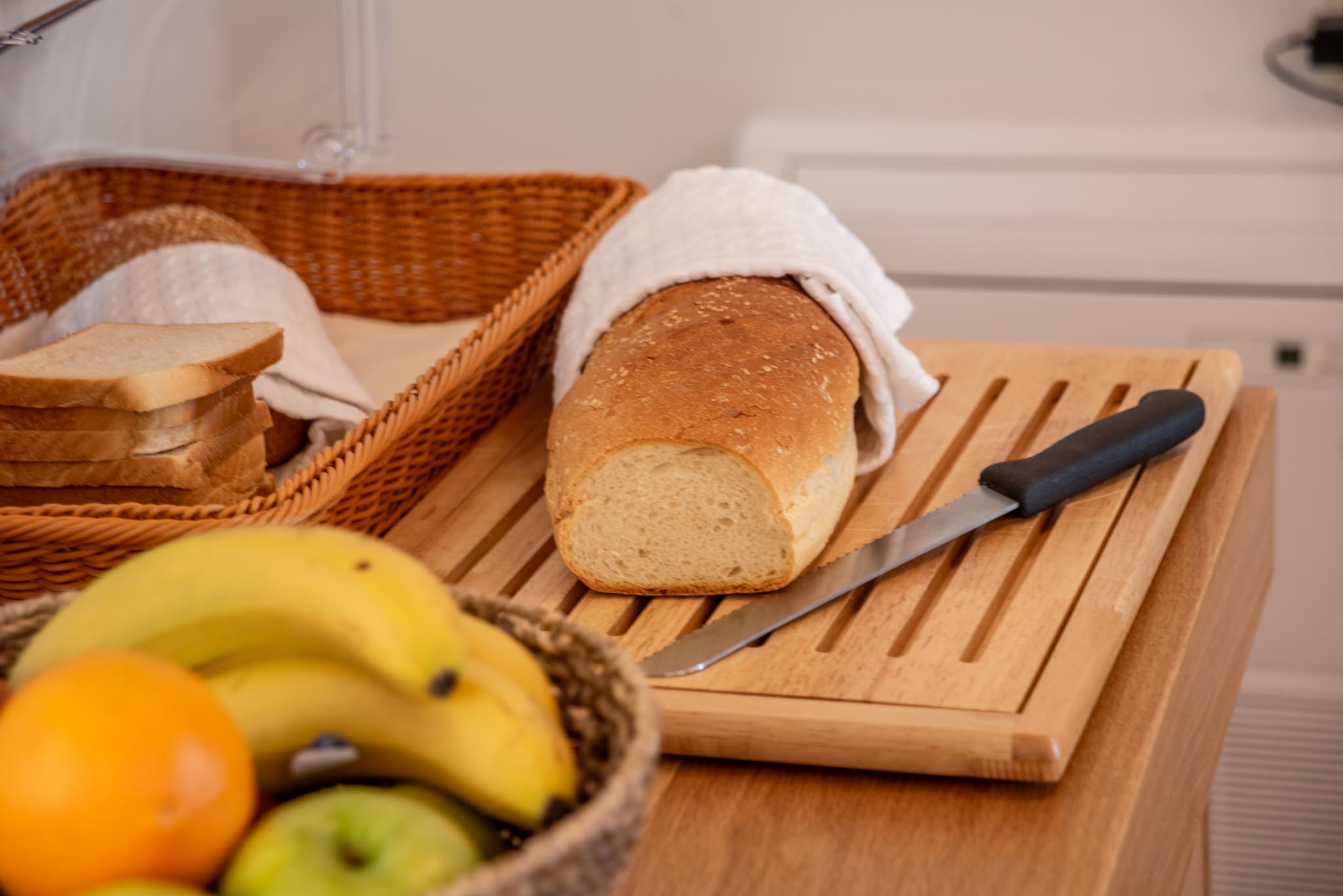
We serve local products at breakfast and send guests home with a small bottle more often than not. Here is what we have learned.
Written by the Sampatiki Suites team. Updated September 2026.
Famous for
Kalamata olives and oil
Harvest
Late autumn into winter
Best buy
From a small producer
Taste
Fruity, bitter, peppery
The harvest
The olives are usually picked in late autumn and early winter, mostly by hand or with small rakes, and pressed within a short time. In many parts of the Peloponnese the harvest is a family event, and in some places visitors can join in or watch the pressing at a family farm.
Early-harvest oil is greener, more bitter and more peppery. Later oil is softer and rounder. Both are good, and which you prefer is a matter of taste.
How to taste
One
A tablespoon in a small glass is enough.
Two
Cup the glass in your hand and cover the top for a moment to release the aromas.
Three
Inhale. Good oil smells fresh, like olives, grass or green fruit.
Four
Take a small sip and let it coat your tongue.
Five
Close your mouth and breathe out through your nose to catch more flavours.
Six
Good oil is fruity, with some bitterness and a peppery tickle in the throat. That pepperiness is a sign of fresh, healthy oil.
Our tip
Taste the oil on its own first, then on bread, and see how it changes.
Buying well
Check
Fresh oil is best. Look for the year of harvest on the bottle.
Choose
Light and heat spoil olive oil, so avoid clear bottles on a sunny shelf.
Prefer
Small producers tell you where the olives grew and who made the oil.
Look for
Labels such as protected designations of origin show where the oil or olives come from.
Olive oil and the east coast
Around Leonidio you will find olive groves in the valley, small shops selling local oil and honey, and tavernas that pour the new oil straight onto bread. Ask at the market or at your hotel which producers sell directly.
If you visit in late autumn or early winter, you may see the harvest in progress, and the first oil of the season is a treat.
From us at Sampatiki
Our breakfast is built around local products, and reception can point you to small producers nearby. Taste the oil on bread at breakfast and take a bottle home.
Keep exploring
Questions
What is special about Greek olive oil?
Greece has a long olive-growing tradition, and the Peloponnese produces some of the best-known olives and oils, including Kalamata.
When is the olive harvest in Greece?
Usually in late autumn and early winter, depending on the region and the variety.
How do I taste olive oil properly?
Warm a small amount in a glass, smell it, take a sip, breathe out through your nose and notice the finish. A peppery tickle is a good sign.
How can I tell if olive oil is good?
Look for a recent harvest date, dark glass, a named producer and an aroma that smells fresh, like olives or green fruit.
Can you visit olive oil producers on the Peloponnese?
Yes. Many family farms welcome visitors, especially in the harvest season. Ask locally or at your hotel.
Is Kalamata olive oil the same as Kalamata olives?
No. Kalamata olives are a variety of table olive, and Kalamata olive oil is made from olives grown in the same area. Both come from Messinia.
Stay with us
Eleven sea-view suites, a spa and a breakfast built around local produce, a few minutes from Leonidio.